
GAPS diet - 40

GAPS is the abbreviation for The gut and psychology syndrome diet. It's an elimination meal plan developed by Dr. Natasha Campbell-McBride. She believes that inadequate feeding and a leaking gut, or increased intestinal permeability, are to blame for a wide range of neurological, psychiatric, and behavioral problems.
The idea is that avoiding specific foods can benefit patients with brain problems like autism and dyslexia. When on this meal plan, you can eat foods like fermented foods and beverages, coconut and its products, kefir, white navy beans, etc. Foods to avoid include milk, grains such as rice, sugar and artificial sweeteners, fermented foods, and beverages.
Dukan Diet - 39
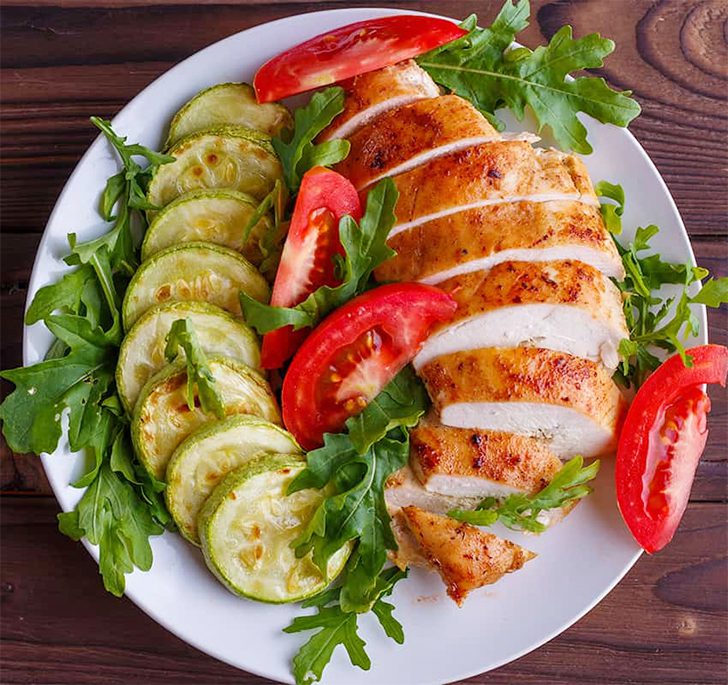
The Dukan Diet is a four-phased, high-protein, low-carb weight-loss strategy. Dr. Pierre Dukan, a French medical practitioner specializing in weight loss, came up with the idea. It begins by calculating your "actual" weight, determined by your age, weight reduction experience, and other criteria. The plan reportedly helps you achieve rapid, easy weight loss without starving yourself.
The length of each phase is determined by the amount of weight you must shed to attain your "true" weight. The attack phase, Cruise Phase, Consolidation Phase, and Stabilization phase are the four phases of this meal plan.
Modified Ketogenic Diet - 38
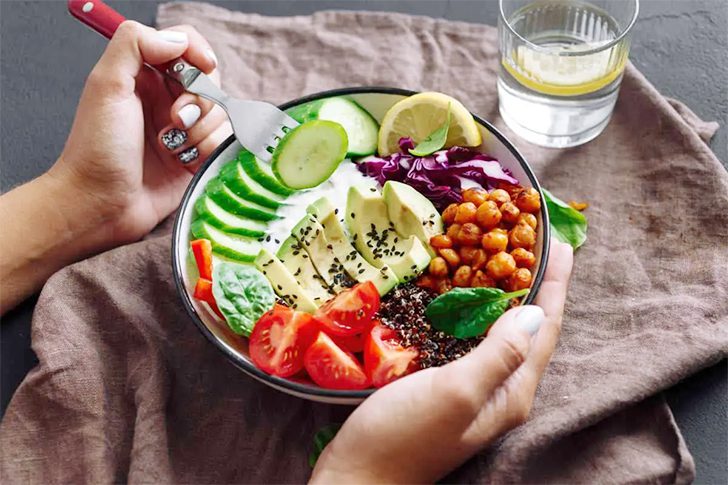
Because the ketogenic meal plan is generally challenging to stick to, many people who were once wholly committed to the low-carb eating plan have abandoned it. Many people are hesitant to give up their favorite foods entirely, which is where the modified ketogenic regimen, often known as keto 2.0, comes in.
This meal plan takes a more relaxed approach than the previous one, emphasizing the need to eat a well-balanced meal that includes more fruits, vegetables, and leaner proteins. You'll also receive extra fiber in your meal, which can help you stay full, lessen your disease risk, and enhance your overall digestion.
Keto Diet - 37
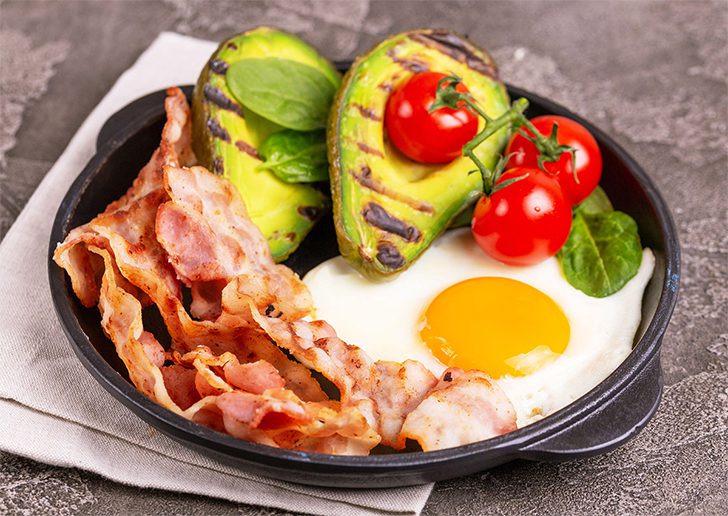
The ketogenic meal plan focuses on fat-burning as a means of weight loss. The idea is to reduce weight quickly and eventually feel fuller with fewer cravings while improving your mood, mental focus, and energy levels. According to its advocates, entering a state of ketosis is as simple as cutting carbs and replacing them with fats.
The body converts both food and stored body fat into ketones at this point. Fat is now the primary source of energy for your fat-burning mechanism. While the keto eating plan is comparable to other low-carbohydrate diets in some aspects, it is distinguished by its stringent carbohydrate restriction and deliberate transition into ketosis.
Whole30 Diet - 36
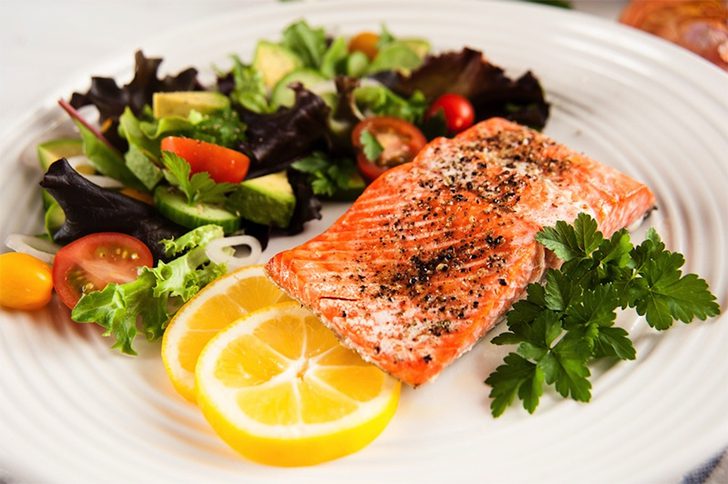
The Whole30 isn't a diet, a weight-loss regimen, or a quick fix; rather, it's meant to "transform your life" by removing cravings, regulating hormones, treating digestive difficulties, alleviating medical conditions, and increasing energy and immune function, according to the founders.
The argument behind it is that your food could be to blame for various physical and mental health problems, including allergies, depression, and acne. However, you won't know which foods are causing your issues unless you fast for 30 days and eliminate everything alcohol, sugar, wheat, legumes, and dairy.
AIP Diet - 35
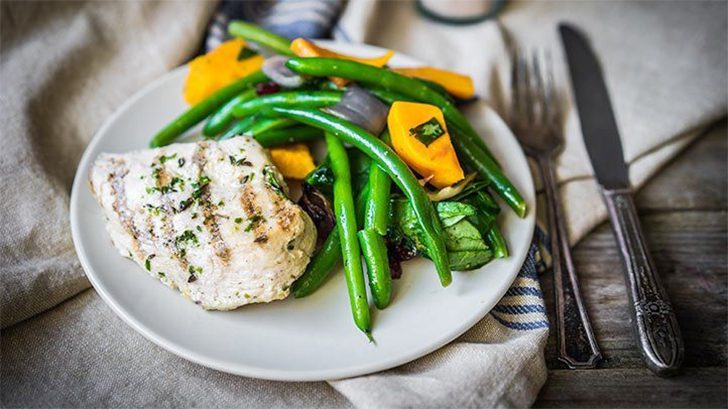
Sometimes called the Autoimmune Paleo Diet, AIP is short for Autoimmune Protocol Diet. It was created to help with autoimmune illnesses by reducing inflammation and alleviating symptoms. A person's immune system targets healthy tissue by mistake in these frequent conditions, resulting in inflammation and symptoms such as exhaustion, swelling, discomfort, and skin changes.
It is an elimination plan, which means you don't eat particular foods for a while and track any health repercussions. It emphasizes vitamin and nutrient-dense diets. It prohibits the consumption of any foods containing added sugar or other additives that may induce an autoimmune response.
Atkins Diet - 34
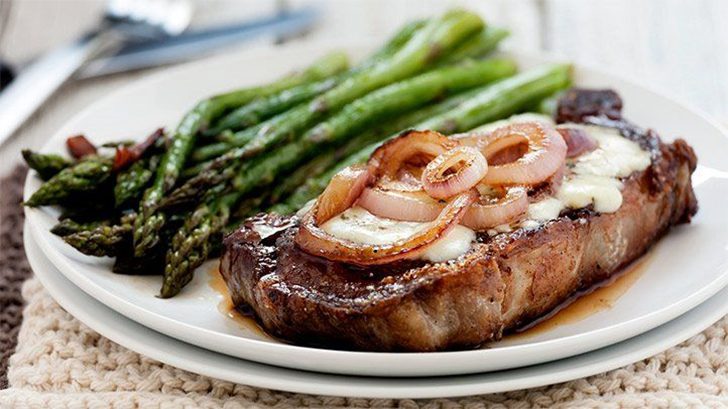
The Atkins diet is a low-carbohydrate, high-protein eating plan commonly used to lose weight. Promoters of this diet argue that avoiding foods heavy in carbohydrates allows you to lose weight while eating as much protein and fat as you desire.
Dr. Robert Atkins developed the Atkins regimen after reading "Dr. Atkins Diet Revolution" in 1972 and becoming interested in the health benefits of low-carb diets. It is divided into four stages, with the first phase consisting of very few carbs and the second phase consisting of gradually increasing carbs until you reach your target weight.
Sirtfood Diet - 33

The name of this plan comes from a family of proteins known as sirtuins, which are found in plant foods. These proteins are engaged in the metabolic process and help maintain cell longevity and homeostasis at the cellular level in the body. In other words, the meal plan claims to replicate the effects of fasting and workout in assisting the body in burning fat.
With this regimen, the metabolic link of sirtuins takes center stage. The theory is that eating foods rich in these polyphenols activate the sirtuin pathways, which affect aging, metabolism, and mood.
Raw Food Diet - 32
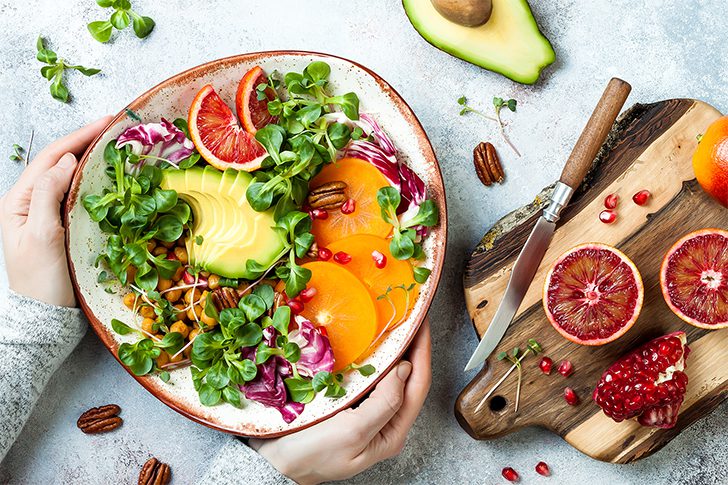
The raw food eating method dates from the late 1800s when a doctor named Maximilian Bircher-Benner discovered that eating raw apples might treat his jaundice. The diet has continued to evolve due to these trials examining the impact of raw food on human health.
The raw food diet includes foods that have not been cooked, microwaved, processed, irradiated, genetically altered, or exposed to herbicides or pesticides, among other things. Plant-based meals never heated above 115 degrees Fahrenheit will make up about 75 to 80 percent of what raw foodists consume each day. Only a tiny percentage of the population consumes 100 percent raw foods.
Paleo Diets - 31
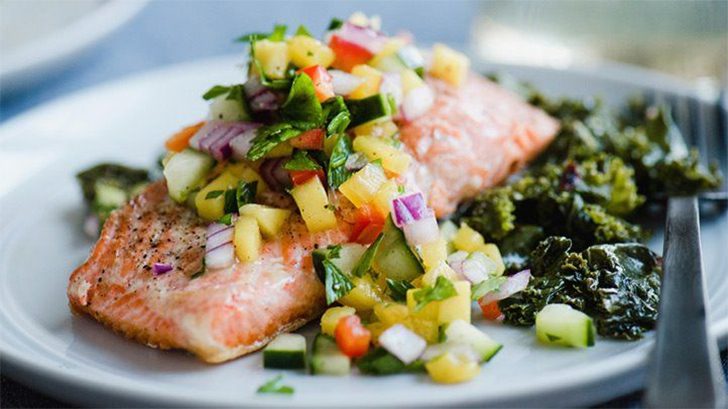
Paleo diets work on the simple principle that if the cavemen didn't eat it, neither should you. A paleo regimen consists primarily of lean meats, fish, fruits, vegetables, nuts, and seeds, which were once only available through hunting and gathering. It restricts foods that became popular around 10,000 years ago when farming was first introduced. Dairy, legumes, and grains are examples of these foods.
This meal plan aims to revert to a more primitive form of eating. The diet's logic is that the human body is genetically incompatible with the current food, which evolved due to agricultural methods.
Alkaline Diet - 30
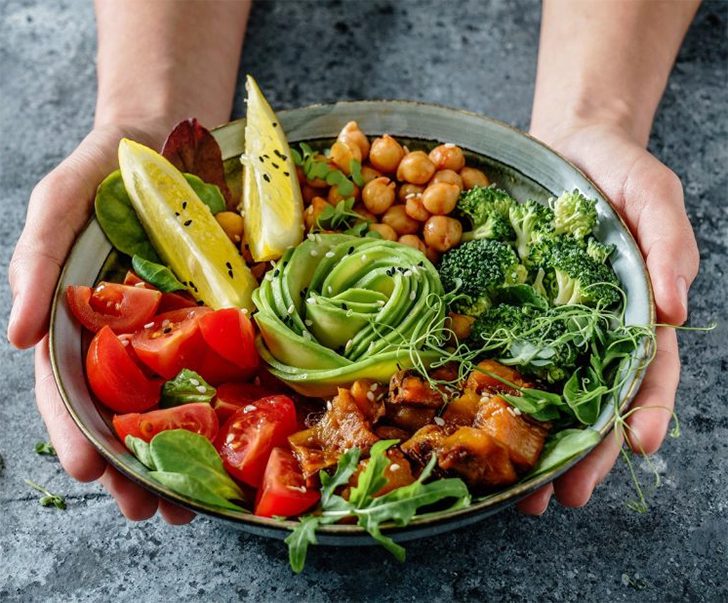
The alkaline diet suggests that eating acid-forming foods like red meat might throw your pH out of whack and cause health problems. They believe that balancing your pH through what you eat can have various health benefits.
The plan's core premise is that if we're constantly putting acidic foods into our bodies, our bodies won't have time to do anything but eliminate them. Acidic substances have a pH of 0 to 7, indicating that they are acidic. Vinegar, for example, has a pH of about 2, meaning that it is acidic. On the other hand, alkaline compounds range from 7 to 14 on the pH scale.
OPTAVIA - 29
Under the OPTAVIA brand, the Medifast team launched a health and wellness lifestyle program, delivering products dubbed "Fuelings" with the same macronutrient composition as the original Medifast products. According to the organization, you can accomplish "lifelong improvement, one healthy habit at a time" by incorporating healthy behaviors, engaging with its coaches, and following its nutritional suggestions, including OPTAVIA products.
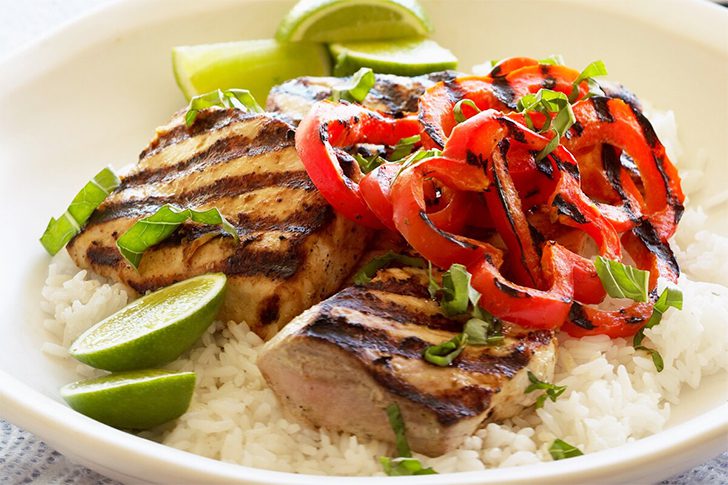
You'll stay full and nourished if you adhere to the brand's fuelings and supplement them with a "Lean & Green" meal (vegetables, one meat, and healthy fat entrée) each day. The Optimal Weight 5&1 Plan helps clients lose 12 pounds in 12 weeks on average.
Intermittent Fasting - 28
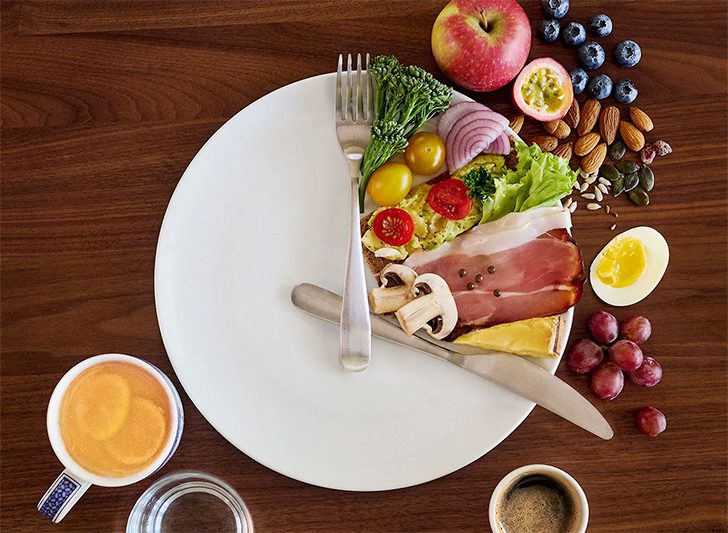
Many diets concentrate on what you should eat, while intermittent fasting is about when you should eat. Studies have shown intermittent fasting to help people control their weight and possibly avoid or reverse disease. It takes advantage of differences in metabolism — when your body breaks down food for energy – when you eat normally vs. when you fast.
You only eat at a specific time with intermittent fasting. Fasting for a set number of hours per day or eating only one meal a few times per week can aid fat loss.
HMR Program - 27

The Health Management Resources Program is a calorie-reduction and lifestyle-change method that utilizes vegetables and fruit to replace meals, resulting in satisfying, healthy, low-calorie snacks and meals. The goal of this program, which includes group coaching and online support, is to teach participants good, long-term lifestyle choices like increasing physical activity and adopting better eating habits.
Any eating plan can help you shed extra fat, but those who change their habits through the Health Management Resources program, whether in-clinic (with or without medical supervision) or at home, maintain significant weight loss.
SlimFast Diet - 26

SlimFast makes reducing weight as easy as limiting caloric intake and portion sizes while also providing variety and organized flexibility. According to studies, you'll lose about two pounds per week. SlimFast products (smoothies, shakes, and meal bars) are designed to replace two meals and two snacks each day, ensuring that you obtain the correct number of nutrients.
However, you must also prepare or consume a 500-600 calorie meal every day, which they refer to as your "sensible meal." SlimFast is suitable for persons who need to lose roughly 20 pounds in eight to ten weeks; most people will find it challenging to stick to the program for longer than that.
Macrobiotic Diet - 25

The macrobiotic diet focuses on disease prevention and health optimization. Food is one of the most influential factors in our health, and you can only reach overall well-being if you find the correct method for you. The ideal meal plan will emphasize entire, "living" foods that will balance your body while bringing you in tune with your world.
The macrobiotic regimen will help you avoid, if not cure, ailments and live a long, healthy life. Whole grains, fresh local vegetables, sea vegetables, and legumes are the staples of a macrobiotic diet. You can eat seeds, nuts, seasonal fruits, and whitefish two to three times per week.
Nutrisystem Diet - 24

Nutrisystem is a 28-day commercial weight-loss regimen that entails following a meal plan consisting of the company's packed and packaged snacks and meals, including frozen and shelf-stable alternatives delivered to you and some veggies and other supermarket staples you shop for yourself.
Nutrisystem's goal is to make weight loss as simple as possible. You don't have to worry about whether or not things will fit into your meal. There's no need to keep track of caloric intake or carbs. You don't have to worry about portion amounts for the most part. However, you may grow tired of ready-to-eat meals and small servings.
Zone Diet - 23
According to scientist and Zone founder Barry Sears, food is similar to medicine, and you must take the correct dose at the right time. He stated that high insulin levels combined with omega-6 fatty acids cause weight gain because they produce certain hormones that cause inflammation, which he says is a significant cause of obesity.
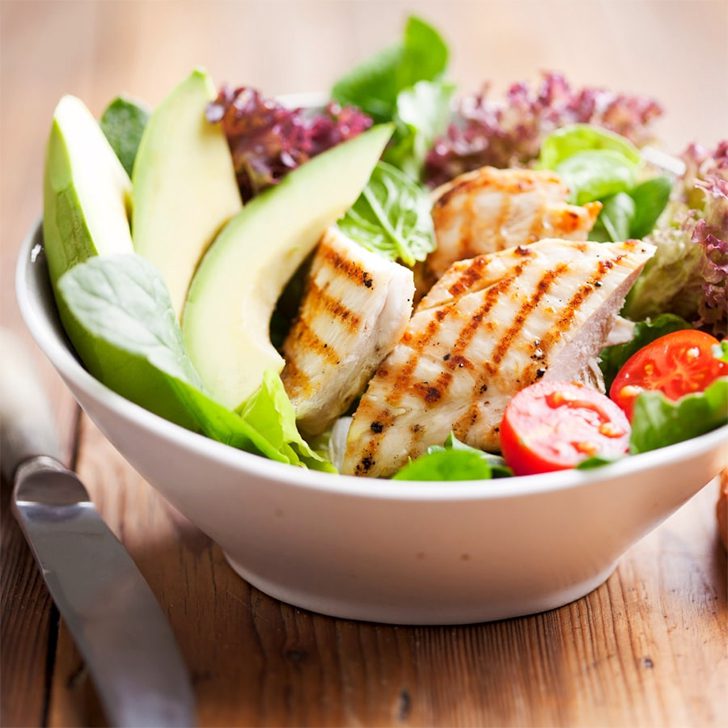
The Zone Diet requires its adherents to consume a specified ratio of 40 percent carbohydrates, 30 percent protein, and 30 percent fat. Carbs with a low glycemic index should be included in the diet since they release sugar slowly into the bloodstream, keeping you satiated for longer.
South Beach Diet - 22

The South Beach Diet, named after a posh Miami neighborhood, is a modified low-carbohydrate eating plan. It is a famous commercial weight-loss program first defined in the best-selling book "The South Beach Diet: The Delicious, Doctor-Designed, Foolproof Plan for Fast and Healthy Weight Loss" by cardiologist Arthur Agatston in 2003.
Compared to a regular diet, the South Beach Diet is higher in protein and good fats and lower in carbohydrates. It's not, however, a rigid low-carb regimen. There are healthy carbs and fats, as well as unhealthy ones. The trick to losing weight is to pick the finest of each.
Glycemic Index Diet - 21
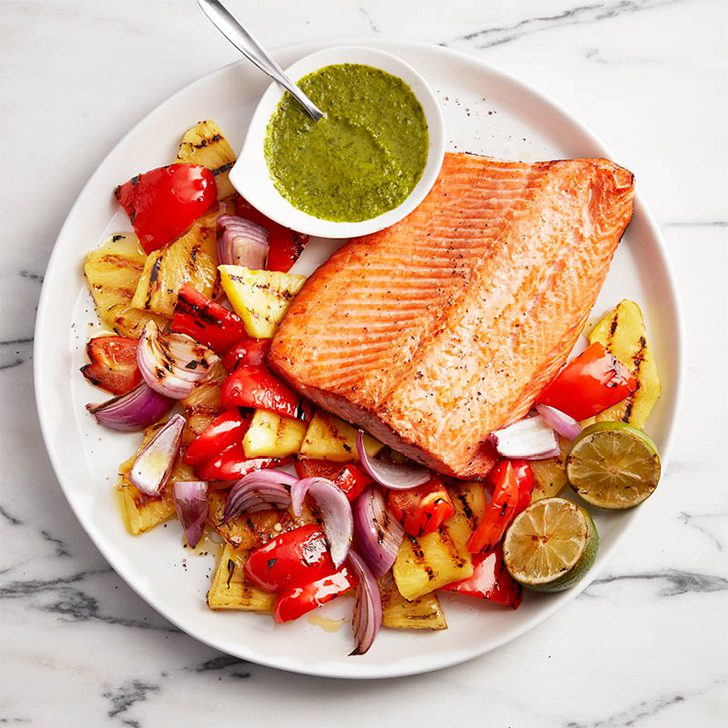
The glycemic index is a metric for determining how a carb affects blood sugar levels. So-called "good" carbs, which range from bran cereal to various fruits and vegetables, have a lower glycemic index and are a vital component of this weight-loss, blood-sugar-control, and heart-healthy regimen.
Because good carbohydrates are slowly digested, you'll feel fuller for longer, and your blood glucose and metabolism won't be thrown off. "Bad" carbohydrates, like instant mashed potatoes and white bread, on the other hand, are quickly digested and absorbed into the circulation, increasing blood sugar and making you hungry sooner.
Biggest Loser Diet - 20
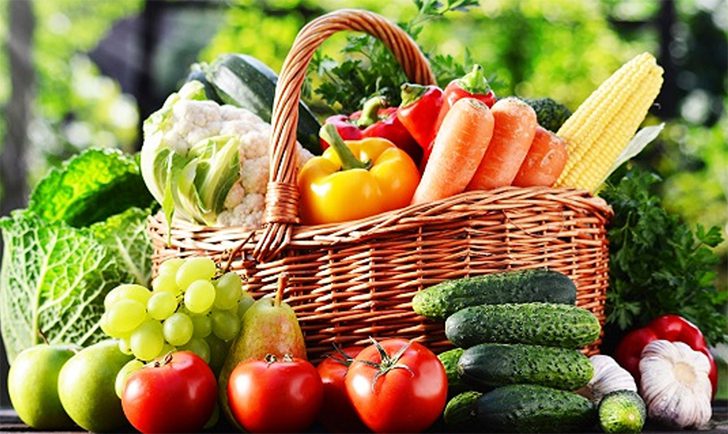
If you are familiar with "The Biggest Loser" reality television program, you already know what this meal plan is all about. It is a balanced diet centered on the reality show, and it comprises strategies such as balanced meals, eating consistently, practicing mindful eating, food tracking, and keeping fit.
According to the producers of The Biggest Loser, sticking to the regimen will help you lose weight while also preventing or reversing diabetes, lowering your risk of dementia, cancer, and Alzheimer's, boosting your immune system, and improving your heart health.
The Engine 2 Diet - 19
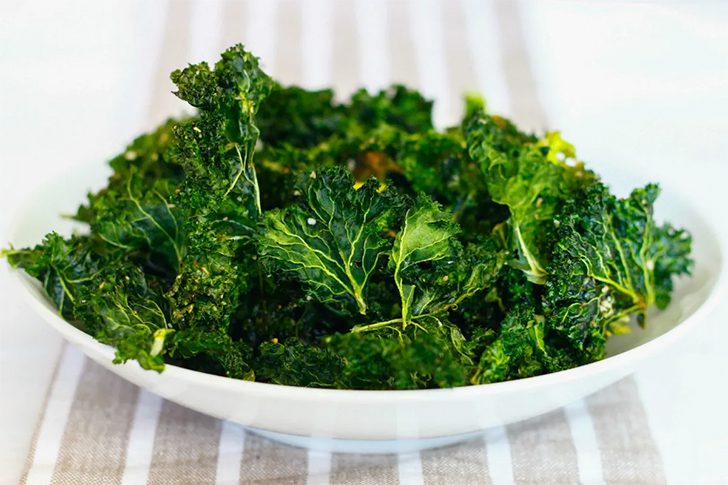
The Engine 2 Diet, developed by a former professional athlete, firefighter, and medical doctor Rip Esselstyn, is a plant-based, low-fat eating plan aimed at preventing or even reversing ailments associated with the conventional American diet, including cancer, heart disease, diabetes, and Alzheimer's.
According to Esselstyn, followers may expect to gain lean muscle mass, improve their minds, and revitalize their bodies. The diet is essentially a vegan diet with one exception: it eliminates vegetable oils and only recommends entire, plant foods. It avoids processed grains and shakes in favor of whole, undamaged grains, vegetables, fruits, and legumes.
Vegan Diet - 18
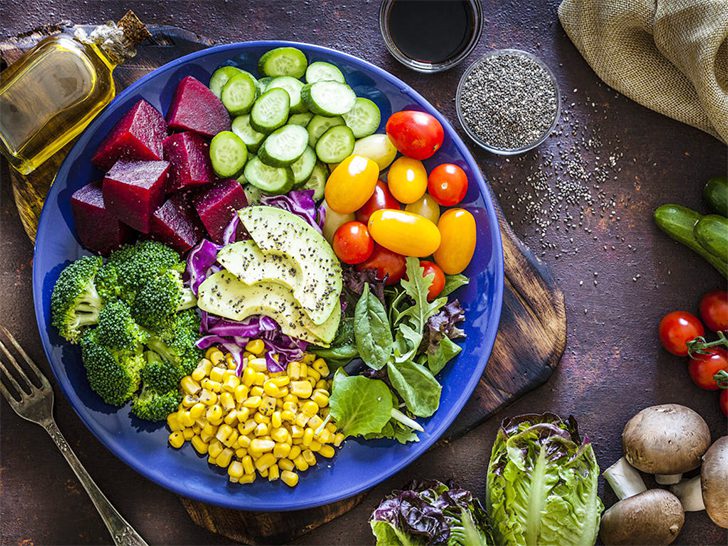
Vegans and vegetarians alike do not consume meat, fish, or poultry. On the other hand, Vegans abstain from all animal products, including dairy and eggs. If you follow a vegan diet, you should avoid whey-based margarine, lard-based refried beans, and anything containing gelatin derived from animal hooves and bones.
Your staple foods will be veggies, fruits, whole grains, leafy greens, nuts, seeds, and legumes. In the United States, plant-based diets are gaining traction. According to a 2017 study, 6% of Americans now consider themselves vegan, up from 1% in 2014.
Nutritarian Diet - 17
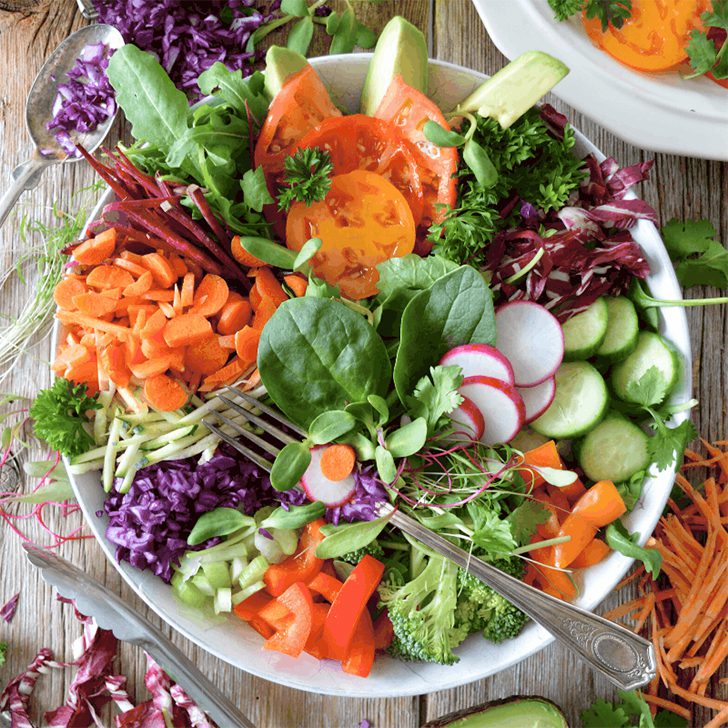
In his book "Eat to Live," family physician Joel Fuhrman proposed the Nutritarian Diet in 2003. It's primarily plant-based, gluten-free, salt-free, and fat-free. It discourages the consumption of processed foods in favor of nutrient-dense, less processed meals.
The Nutritarian Diet, commonly known as the NDPR meal plan, promises significant weight loss and a slew of other health advantages. Its proponents believe, for example, that it slows aging, extends life, and helps avoid or even cure severe diseases like diabetes and heart disease. This meal plan forbids snacking and may be challenging to stick to, as several of its recommendations aren't backed up by science.
Noom - 16
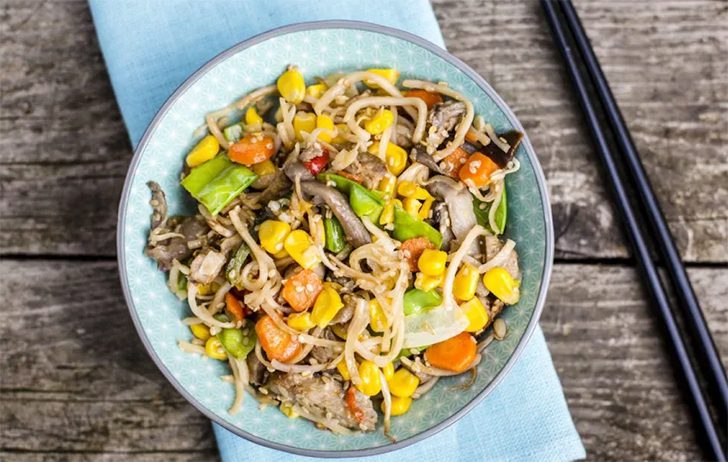
Noom, a digital health app, may be right for you if you enjoy mobile apps and virtual engagement. It's not only about what you consume with Noom; it's also about why you eat. Noom is all about increasing accountability, self-awareness, and habits to help you lose weight and keep it off.
You log every meal and snack and your daily weight and workout on the Noom Healthy Weight app. Your one-on-one coach communicates with you through the app's messaging feature and provides motivation. You can also communicate with your Noom support group instructor and other designated group members.
Fertility Diet - 15

This diet aims to assist women in becoming pregnant more easily. Drs. Jorge Chavarro and Walter Willett of the Harvard School of Public Health created "The Fertility Diet: Groundbreaking Research Reveals Natural Ways to Boost Ovulation and Improve Your Chances of Getting Pregnant," a meal plan based on the study, which found that women who consumed "good" fats, plant protein and whole grains increased their egg supply.
On the other hand, those who eat "bad" fats, such as red meat and refined carbohydrates, may produce fewer. Compared to skim milk and sugary sodas, they also claim that full-fat dairy products are favorable for fertility.
Asian Diet - 14
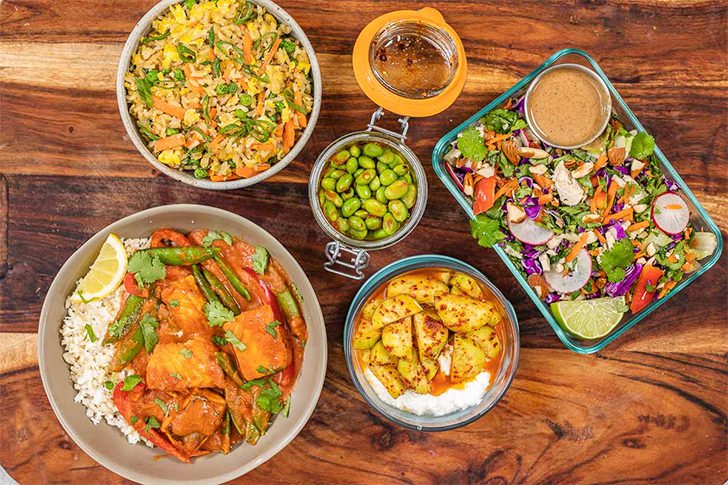
Most individuals require all of the necessary elements found in the traditional Asian diet if taken in appropriate quantities. The Asian diet is high in fiber, minerals, vitamins, and antioxidants but low in saturated and total fat. Many health professionals feel that this combination protects against various chronic ailments like heart disease and cancer.
Meat and dairy products are in short supply in the Asian diet. Seeds, nuts, and legumes provide iron and protein to the body. Dark leafy greens, for example, are high in iron. Seeds, nuts, soybeans, and green leafy vegetables are all excellent sources of calcium.
Dr. Weil’s Anti-Inflammatory Diet - 13
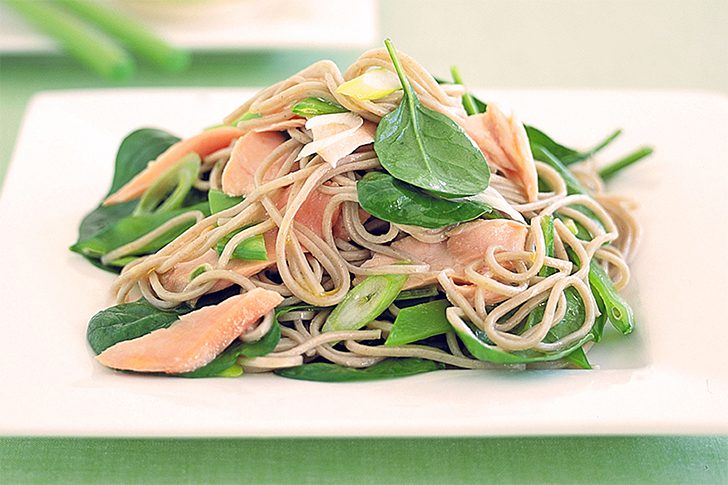
The Anti-Inflammatory Diet isn't a meal plan in the traditional sense; it's not a weight-loss plan or a short-term eating plan. Instead, it's a method of choosing and cooking anti-inflammatory meals based on a scientific understanding of how they might allow your body to maintain optimal health.
This natural meal plan will give consistent energy and adequate vitamins, minerals, vital fatty acids, dietary fiber, and beneficial phytonutrients, in addition to reducing inflammation. The diet's founder, Harvard-educated doctor and integrative medicine pioneer Andrew Weil, advocates aiming for a combination of carbs, fat, and protein at each meal.
Ornish Diet - 12
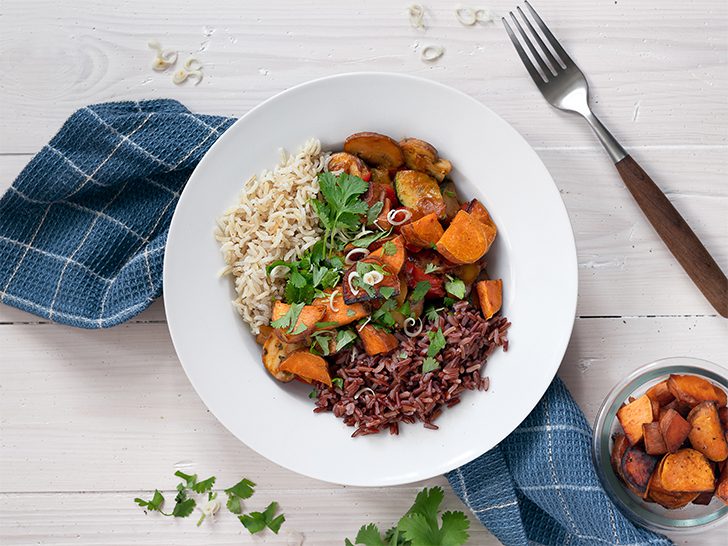
According to Ornish, this regimen is minimal in fat, processed carbs, and animal protein, making it the optimal diet. However, it is more than simply a dietary plan; it promotes exercising, stress management, and interpersonal interactions. For example, Ornish divides food into five categories: the healthiest (group one) to the least healthy (group five).
For example, it's the difference between whole-grain bread and cookies, soy hot dogs, and beef or pork hot dogs. The Ornish diet is one of four main components of Sharecare's Ornish Lifestyle Medicine, an evidence-based treatment program for reversing heart disease progression.
Nordic Diet - 11
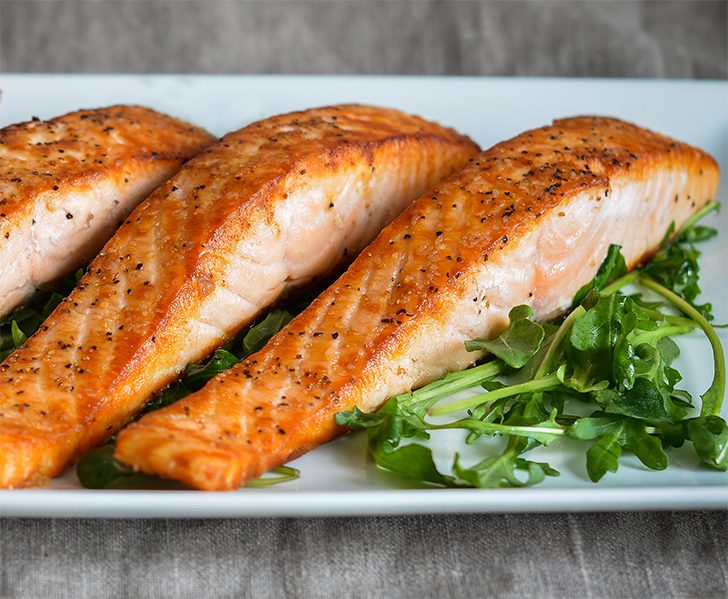
The Nordic diet encourages a healthy eating pattern by emphasizing locally available fruits, veggies, and wild seafood and is founded on centuries-old traditions. It was created to revolutionize Nordic food while also improving public health. For this multi-year experiment, nutritional scientists from the Denmark's University of Copenhagen collaborated with a co-founder of the widely known restaurant Noma.
It is also regarded as the Scandinavian diet since it contains Scandinavian culture and traditional elements. The Nordic diet encourages a return to relaxing dinners with friends and family, based on seasonal, locally sourced foods and environmental awareness.
Vegetarian Diet - 10
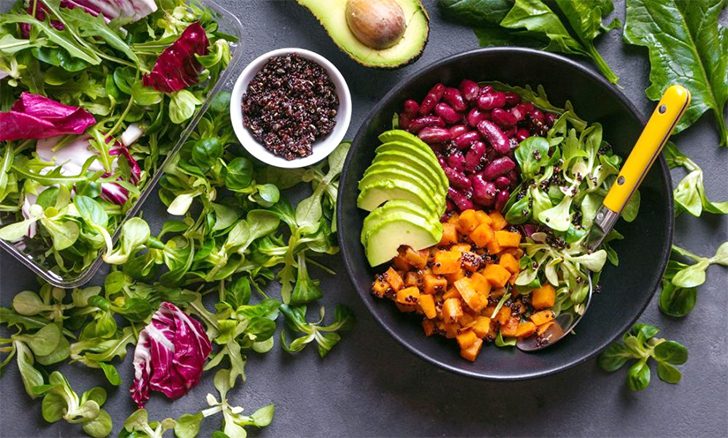
Vegetarian diets are becoming increasingly popular. The benefits of eating a vegetarian diet are numerous, including reduced risk of heart disease, diabetes, and certain malignancies. However, some vegetarians eat too many processed meals heavy in carbohydrates, sugar, fat, and sodium. They may also miss nutrients by not eating enough fruits, veggies, whole grains, and calcium-rich foods.
Vegetarian diets come in a variety of forms. Most opt for a lacto-ovo regimen, avoiding meat, fish, and poultry while consuming dairy and eggs. Meanwhile, lacto-vegetarians avoid eggs, and ovo-vegetarians avoid dairy, while vegans avoid all animal products.
WW (Weight Watchers) Diet - 9

Weight Watchers (now WW) is a program that encourages you to eat well and exercise. The SmartPoints system assigns a value to each food, drink, and WW recipe. Each day, you are given points to use based on your need.
Its myWW program, which debuted in late 2019, is the company's most tailored and adaptable yet. The program focuses on WW's SmartPoints system, which allocates a point value to each food and beverage based on its nutritional content and uses information about food choices and lifestyle to match members to one of three comprehensive methods to follow the program.
Volumetrics Diet - 8
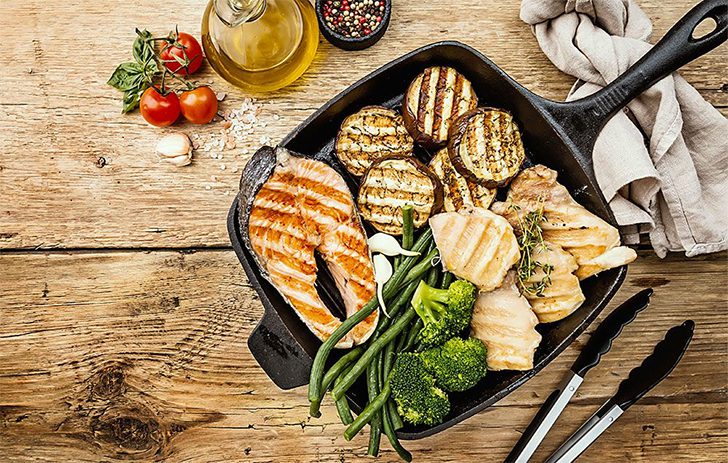
Volumetrics, developed by Barbara Rolls, a nutrition professor at Penn State University, is more of an approach to eating than a systematic plan. With the help of "The Ultimate Volumetrics Diet," you'll be able to read a food's energy density, reduce the energy density of your meals, and make hunger-fighting decisions.
Unlike restrictive diets, the Volumetrics approach assists patients in identifying healthier options that they can eat in large quantities while still losing weight. The lure of Volumetrics is its emphasis on feeling satisfied, and the key is to eat the perfect meals that satisfy you while consuming fewer calories.
TLC Diet - 7
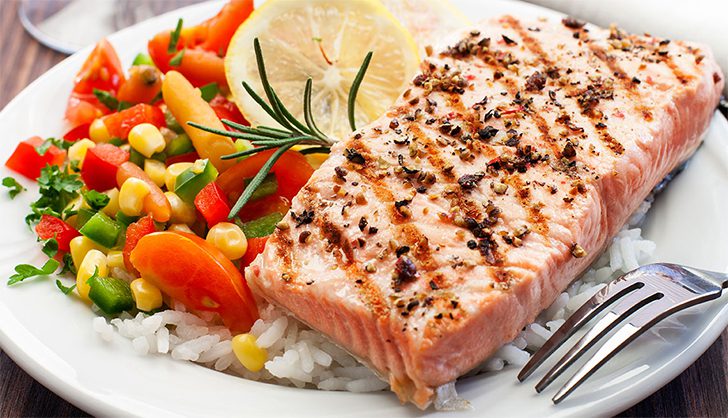
The TLC (Therapeutic Lifestyle Changes) diet was developed by the National Cholesterol Education Program of the National Institute of Health with the purpose of lowering fat as part of a heart-healthy diet. It's one of the few diet programs that health experts worldwide routinely rank as one of the best.
It's aimed to help improve heart health and lower fats by combining good eating habits with lifestyle changes and weight-loss tactics. In addition, it may help treat other illnesses by controlling blood pressure, reducing blood sugar, and maintaining a healthy weight.
Mayo Clinic Diet - 6
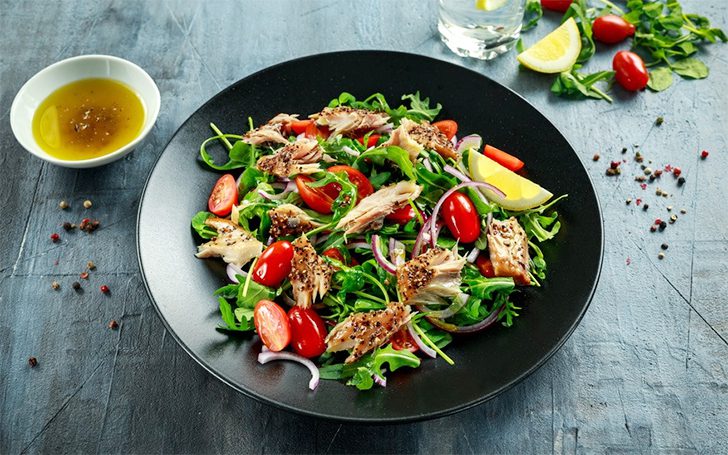
The Mayo Clinic diet encourages weight loss as well as a better lifestyle. With the guidance of the Mayo Clinic's specialized food pyramid, you may reset your eating behaviors, breaking harmful ones and substituting them with good ones. Fruits, vegetables, and whole grains are featured prominently in the pyramid.
These foods, on average, have a low energy density, which means you can eat more while consuming fewer calories. You should lose 6-10 pounds in two weeks if you adhere to the Mayo Clinic plan, and one or two pounds every week until you reach your desired weight.
MIND Diet - 5
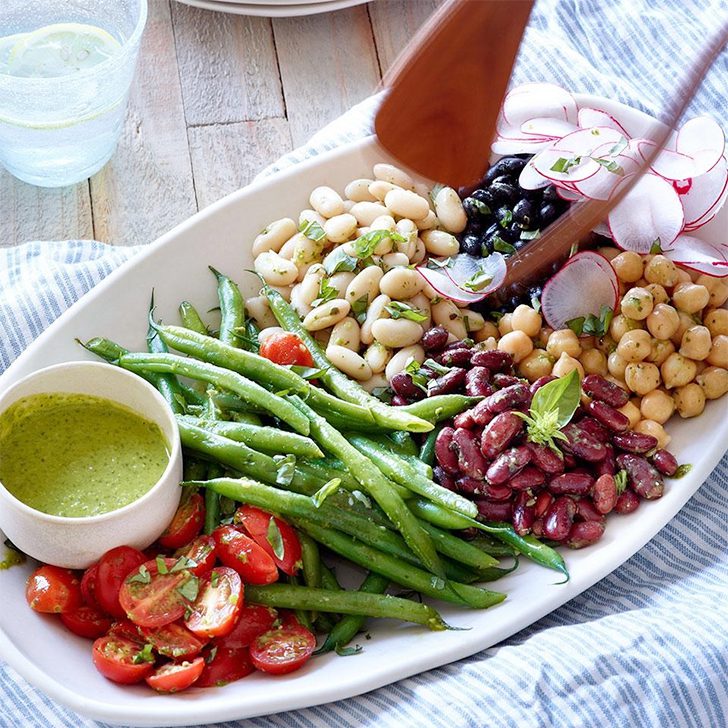
According to preliminary studies, the MIND diet combines two well-known meal plans – DASH and Mediterranean – and focuses on the items in each that significantly boost brain function, potentially lowering your chance of mental decline. While there is no guaranteed way to avoid Alzheimer's disease, eating healthy staples like leafy greens, almonds, and berries can help to reduce the risk of acquiring progressive brain ailment.
The MIND regimen was created by the late Martha Clare Morris, a nutritional epidemiologist at Rush University Medical Center at the time, through a study financed by the National Institute on Aging and documented in February 2015.
The Flexitarian Diet - 4

The term "flexitarian" is a combination of the words "flexible" and "vegetarian." In her 2009 book "The Flexitarian Diet: The Mostly Vegetarian Way to Lose Weight, Be Healthier, Prevent Disease, and Add Years to Your Life," dietician Dawn Jackson Blatner coined the concept.
According to Blatner, you don't have to entirely give up meat to get the nutritional benefits of vegetarianism. People who practice the regimen are said to reduce weight and improve their general health, lessening their risk of diabetes, heart disease, and cancer, and living longer as a result of eating more vegetables and less meat.
DASH Diet - 3
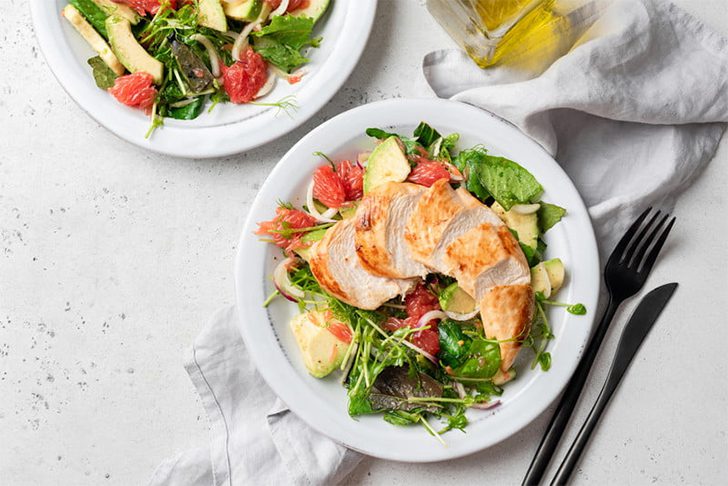
The National Heart, Lung, and Blood Institute promotes the DASH diet, which stands for dietary methods to stop hypertension and prevent hypertension or high blood pressure. It encourages foods high in blood pressure-lowering nutrients like protein, calcium, potassium, and fiber, and foods you've always been encouraged to consume (vegetables, fruits, whole grains, low-fat dairy, and lean protein).
Foods high in saturated fat, such as fatty meats and tropical oils, and sweetened beverages and desserts, are also discouraged in DASH. Following DASH also entails limiting salt intake to 2,300mg per day, which followers will gradually reduce to around 1,500mg.
Mediterranean Diet 2
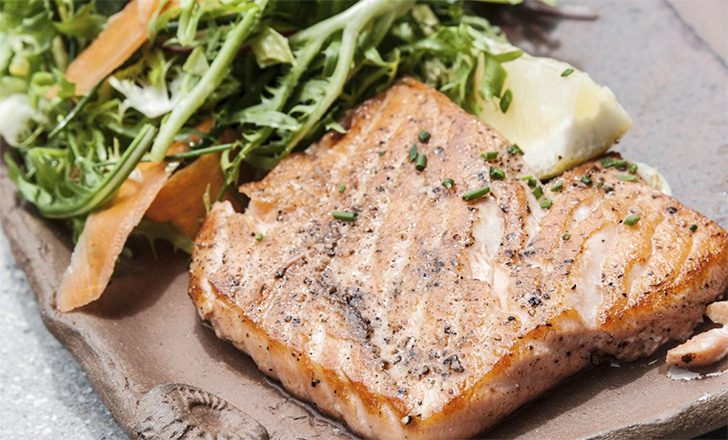
Weight loss, cancer prevention, heart and brain health, and diabetes prevention and control are all possible health benefits of the Mediterranean meal plan. You may lose weight while preventing chronic disease by following the regimen. There is no such thing as "a" Mediterranean eating habit. The Greeks, Italians, French, and Spaniards all eat differently. However, many of the same principles apply to both.
Oldways, a Boston-based nonprofit food think tank, collaborated with the Harvard School of Public Health and the World Health Organization to create a consumer-friendly Mediterranean diet pyramid that outlines how to fill your plate – and even your wineglass – in the Mediterranean style.
Jennifer Craig Diet - 1

Jenny Craig is a weight-loss and maintenance program for those who wish to lose weight and keep it off. The program provides packed, low-calorie meals as well as one-on-one coaching. The idea is to take the uncertainty out of deciding what to eat, making weight loss straightforward.
The pre-made meals and recipes help you keep track of your calorie intake, fat intake, and portion sizes while also emphasizing good eating habits, an active lifestyle, and behavior change. From the beginning, personal consultants help members on their journey. You can expect to lose up to two pounds per week if you stick to the strategy.